Choosing a Database: SQL vs NoSQL in Plain Terms
Choosing a database is one of the first architectural decisions on any project, and it's one that's genuinely hard to change later. The SQL vs NoSQL debate has been going for years, and most of it generates more heat than light. Here's the practical breakdown.
The Actual Difference
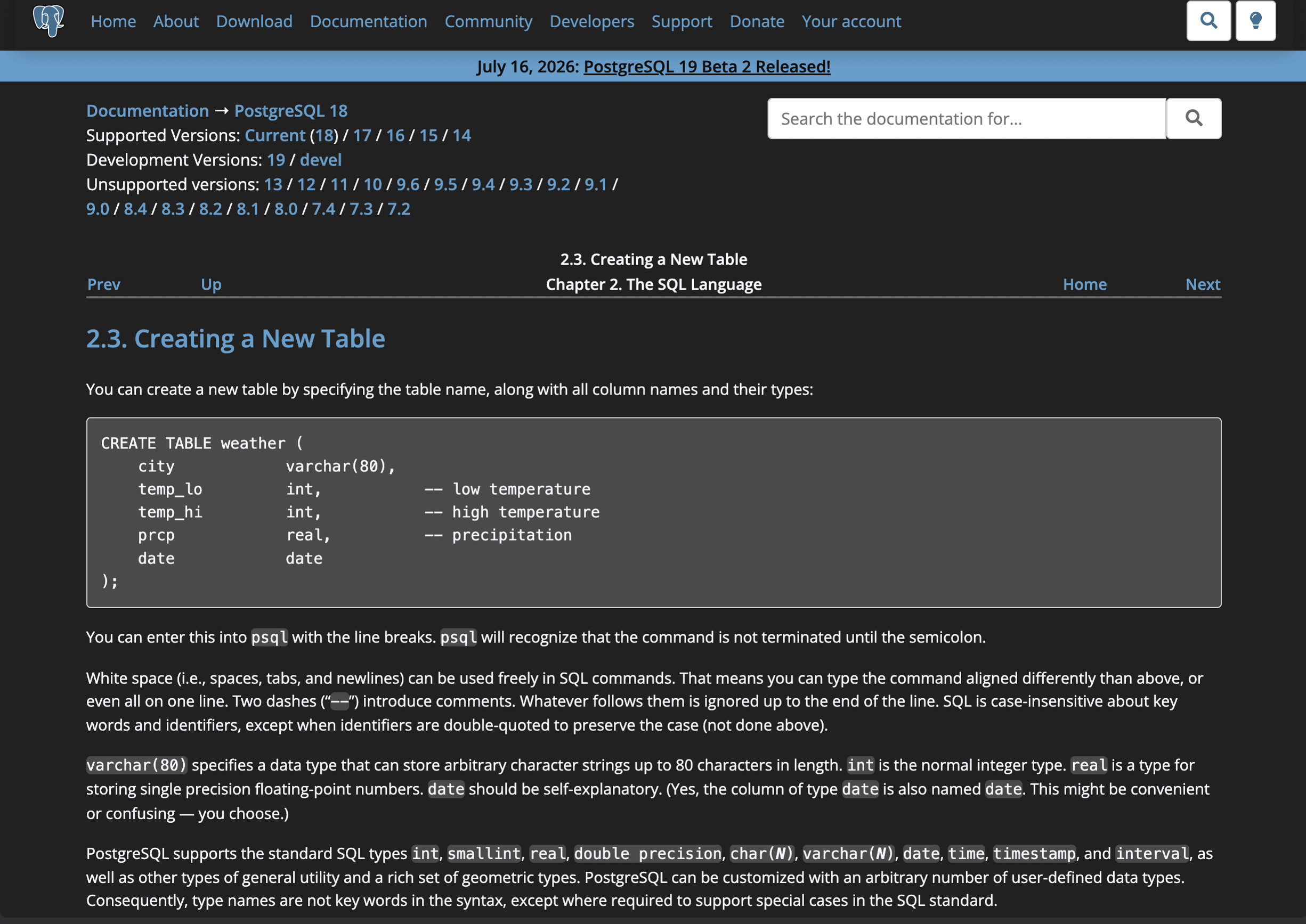
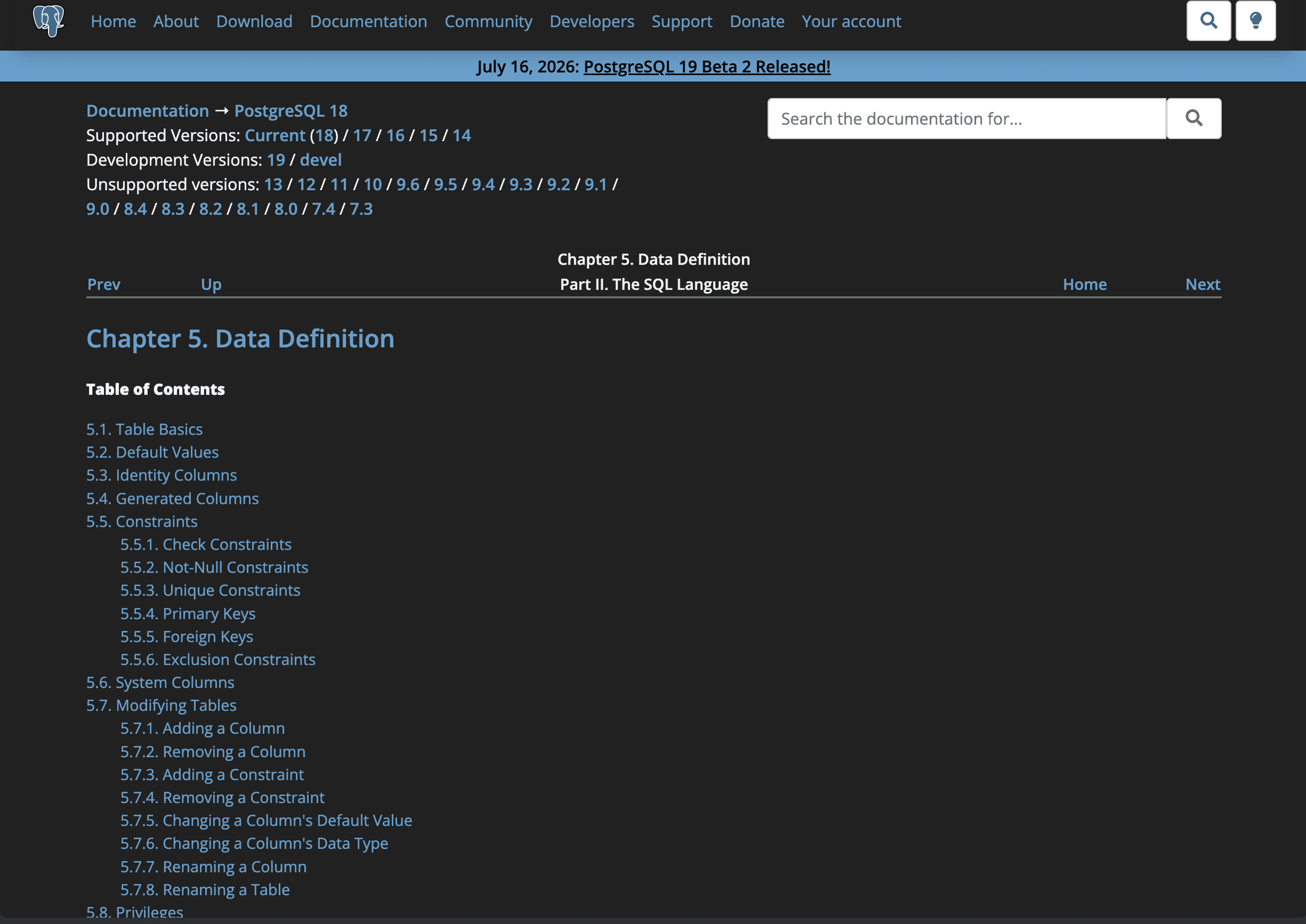
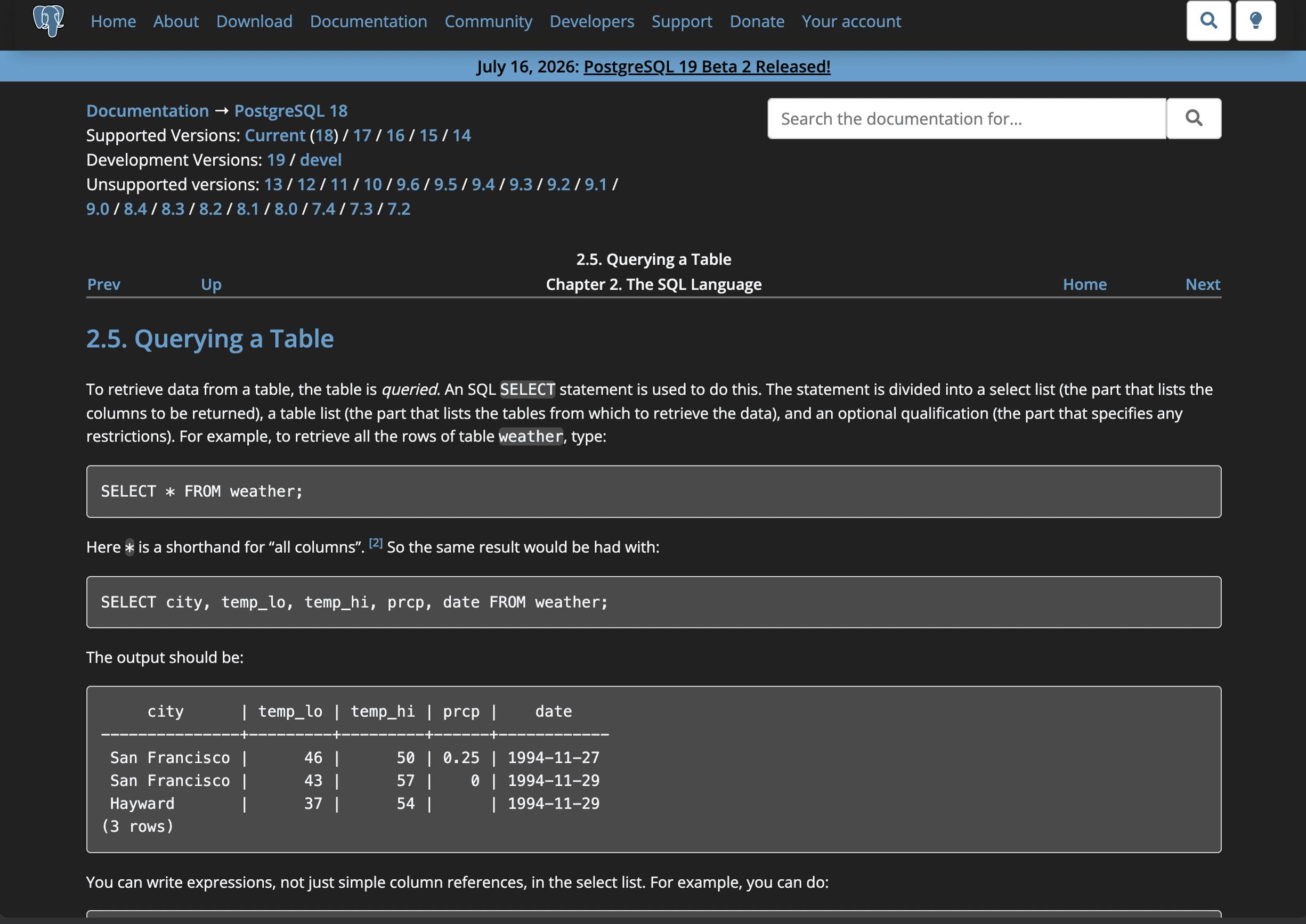
SQL databases such as PostgreSQL store data in tables with defined columns, and relationships can be enforced with keys and constraints. If a users table has name, email, and created_at, every row follows that table definition, although columns can still be nullable or have defaults.
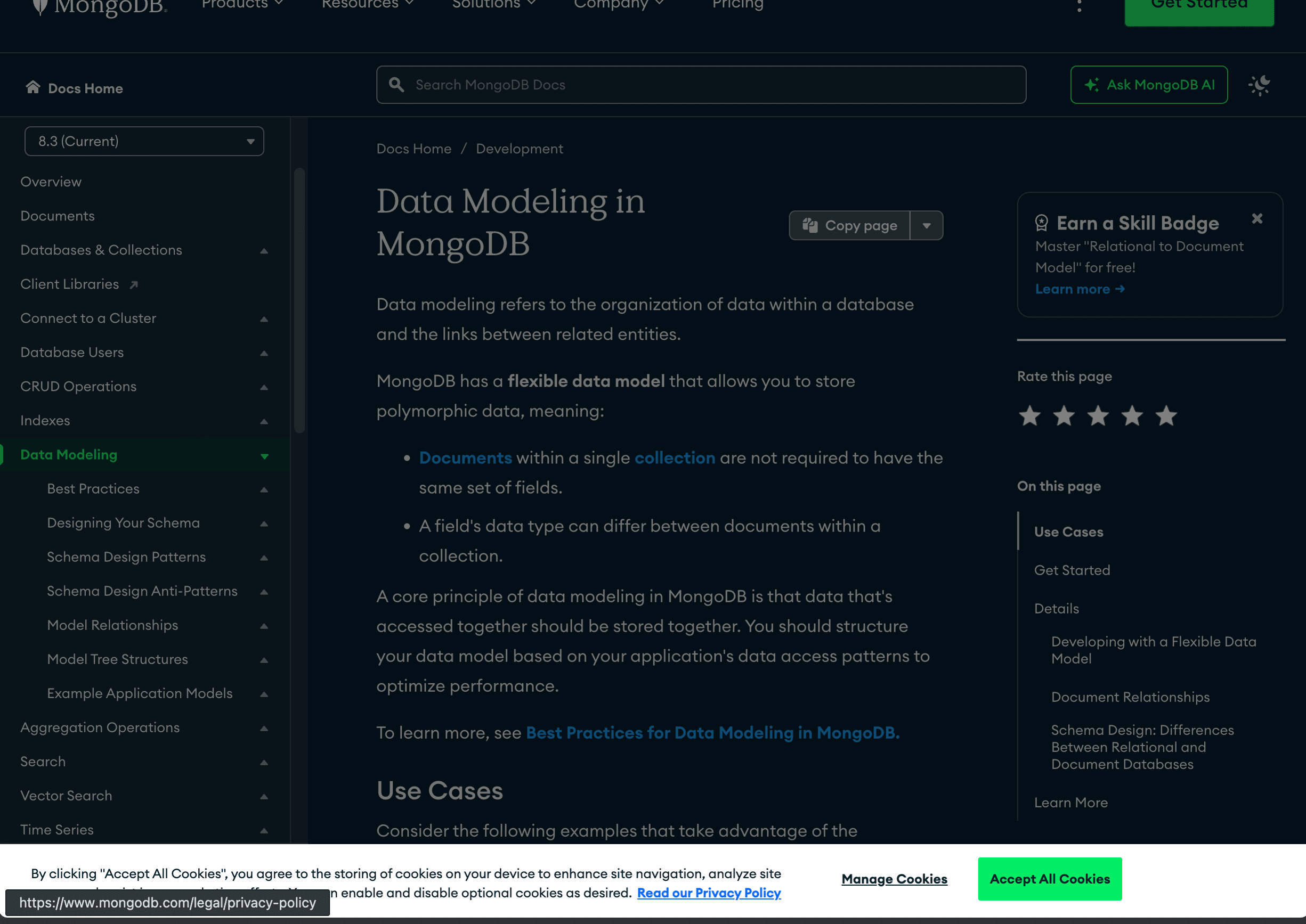
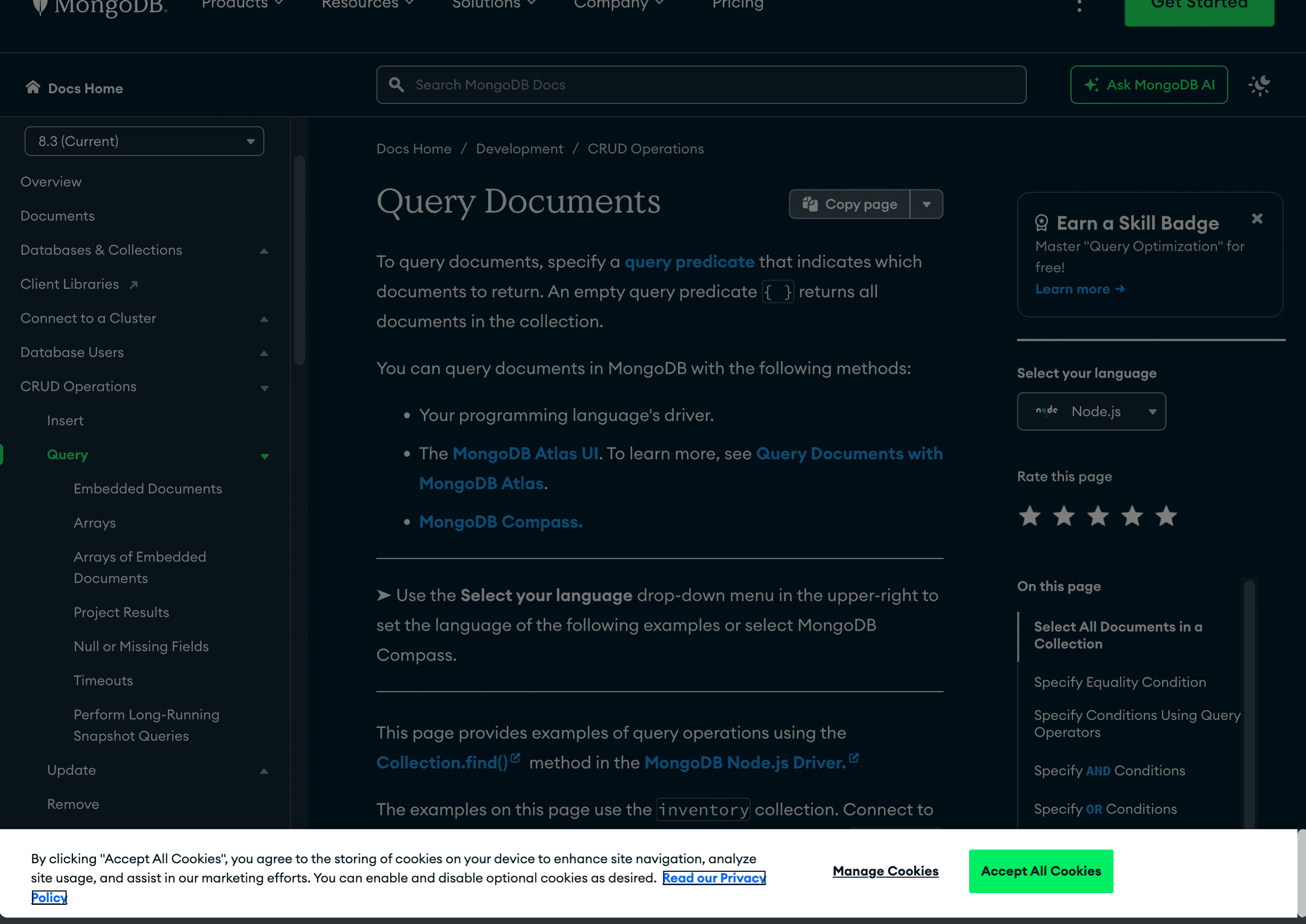
Document databases such as MongoDB and Firebase Firestore store JSON-like records in collections. MongoDB's flexible data model allows documents in one collection to have different fields and field types, although production applications can add schema validation when consistency matters.
The mental model: SQL is a spreadsheet with enforced columns. NoSQL is a filing cabinet where each folder can contain different things.
When SQL Is the Right Choice
Use a relational database when:
- Your data has clear relationships. Users have orders. Orders have line items. Items belong to categories. These relationships are what SQL was built for.
- You need complex queries. JOINs, aggregations, subqueries, filtering across related tables — SQL handles this natively and efficiently.
- Data integrity is non-negotiable. Financial records, inventory, medical data — anything where inconsistency means real problems. PostgreSQL constraints can reject invalid data before it reaches the rest of your application.
- You need ACID transactions. Transfer money between accounts? Either both the debit and credit happen, or neither does. PostgreSQL transactions group multiple steps into an all-or-nothing operation.
- Your schema is relatively stable. You know what your data looks like, and it won't change shape every sprint.
Real-world examples: e-commerce platforms, banking systems, CRM tools, booking systems, anything with many-to-many relationships.
The go-to: PostgreSQL. It's the default choice for good reason — mature, performant, extensible, and it handles JSON data natively, so you can keep some document-style flexibility within a relational database.
When NoSQL Is the Right Choice
Use a document database when:
- Your data structure varies between records. User profiles with different fields per user type. Product catalogs where a laptop has completely different attributes to a t-shirt.
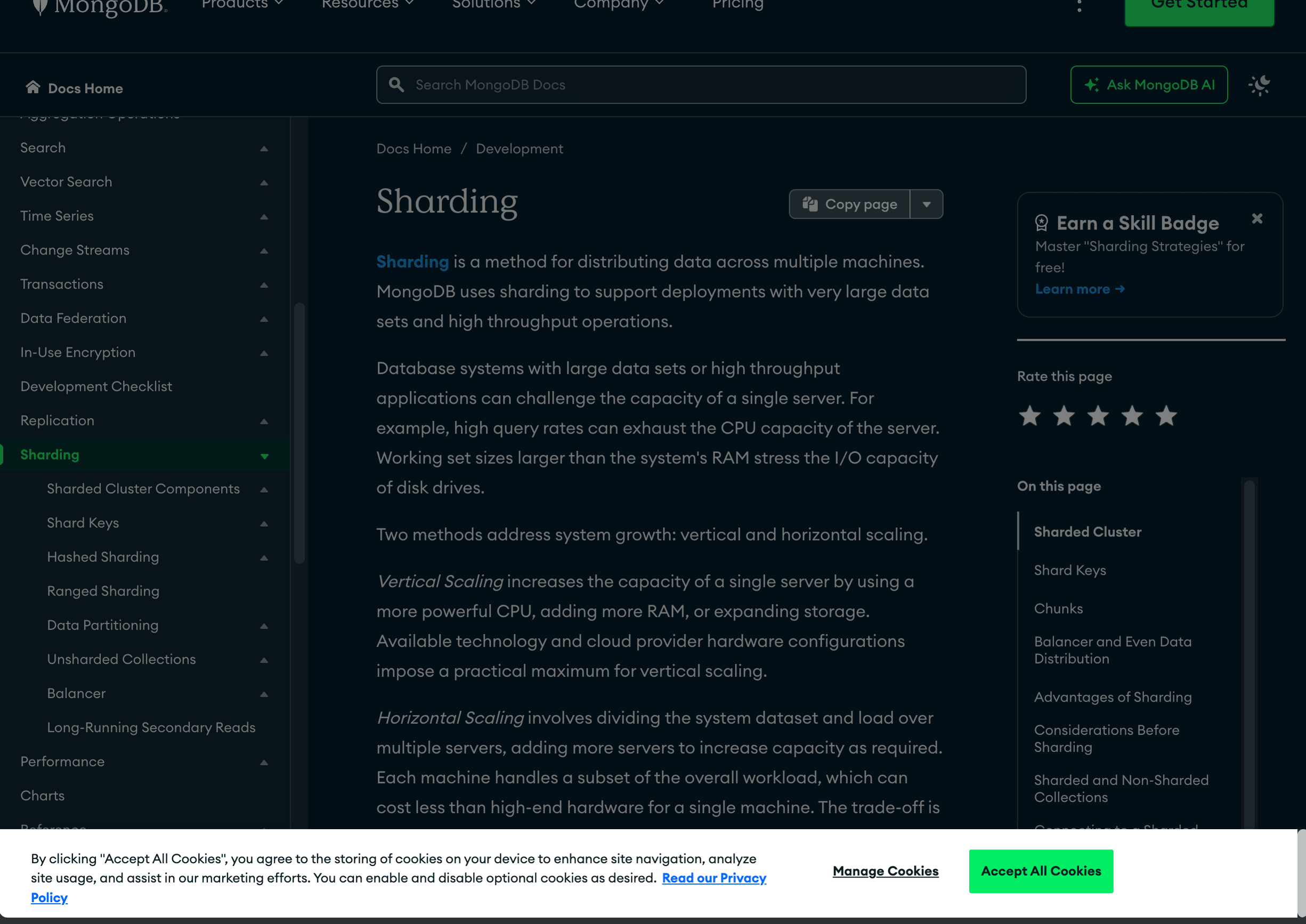
- You need to scale horizontally. Distribute data and workload across many servers. MongoDB supports this through sharding, although horizontal scaling still requires deliberate data modelling and operational work.
- Your access patterns are simple and predictable. Get a document by ID. List documents in a collection. Filter by one or two fields. If that covers 90% of your reads, NoSQL is a clean fit.
- You're building real-time features. Chat, live dashboards, collaborative editing — Firestore listeners can push document and query changes to clients.
- Your schema changes frequently during early development and you need that flexibility.
Real-world examples: content management, IoT data ingestion, chat applications, session storage, analytics events, product catalogs with varying attributes.
The go-tos: MongoDB for general-purpose document storage. Firebase Firestore for real-time sync and mobile-first apps. DynamoDB for high-scale AWS workloads.
The Same Query, Two Ways
Fetching all orders for a user with their product names:
SQL (PostgreSQL):
SELECT u.name, o.id AS order_id, p.name AS product, li.quantity
FROM users u
JOIN orders o ON o.user_id = u.id
JOIN line_items li ON li.order_id = o.id
JOIN products p ON p.id = li.product_id
WHERE u.id = 42;
NoSQL (MongoDB):
db.users.findOne(
  { _id: ObjectId("...") },
  { name: 1, "orders.items.product_name": 1, "orders.items.quantity": 1 }
);
The SQL query is more explicit — it tells you exactly how the data relates. The MongoDB query is simpler, but only because the data was denormalised at write time. That trade-off matters.
The Honest Trade-offs
| Category | SQL (PostgreSQL) | NoSQL (MongoDB/Firestore) |
|---|---|---|
| Schema flexibility | Strict — migrations required for changes | Flexible — fields can vary per document |
| Complex queries (JOINs) | Native, optimised, powerful | Limited or nonexistent — denormalise instead |
| Relationships | First-class with foreign keys | Manual references or embedded documents |
| Scaling approach | Vertical (bigger server) primarily | Horizontal (more servers) by design |
| Data consistency | Strong — ACID by default | Eventual consistency in many configurations |
| Learning curve | SQL is well-documented, widely taught | Varies by database, less standardised |
| Schema migrations | Explicit, trackable, tooling exists | Often implicit — handle in application code |
| Real-time capabilities | Requires additional tooling | Built-in for Firestore, Change Streams for MongoDB |
| Ecosystem maturity | Decades of tooling, ORMs, and resources | Growing rapidly, but younger |
| Best for | Relational data, complex queries, integrity | Flexible schemas, real-time, horizontal scale |
Common Mistakes
Choosing NoSQL because "it's easier." It's not. You trade schema enforcement for data validation code scattered throughout your application. The complexity doesn't disappear — it moves.
Choosing NoSQL to avoid learning SQL. SQL is a fundamental skill. You'll need it at some point regardless of which database you use. Learn it.
Using MongoDB and then building relational patterns anyway. If you're manually referencing documents and doing application-level JOINs, you've rebuilt a worse version of a relational database. Use the real thing.
Using SQL for genuinely schema-less data. If every record truly has different fields and you're constantly altering tables, you're fighting the database instead of working with it.
Premature scaling concerns. "MongoDB scales better" is true in theory, and irrelevant at your current size. At 10,000 users, PostgreSQL handles everything you'll throw at it. Choose based on your data model, not hypothetical future traffic.
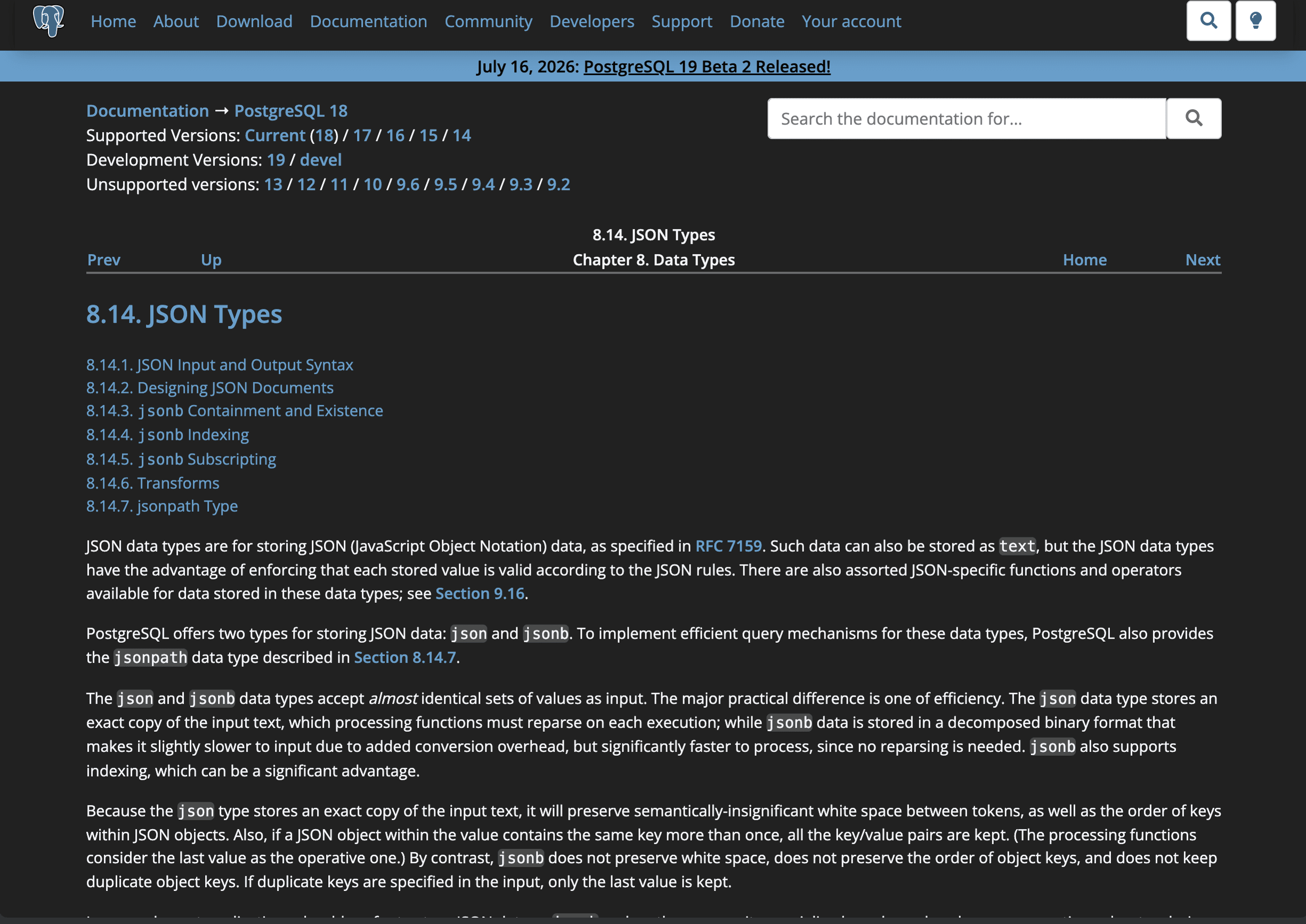
Ignoring PostgreSQL's JSON columns. Postgres can store and query JSON natively with jsonb columns. For many projects, this gives you document-style flexibility within a relational database.
Our Take
Start with PostgreSQL unless you have a specific reason not to. It handles 90% of use cases well, has the strongest tooling ecosystem, and SQL is a transferable skill that serves you across your entire career. At Dev3 Studio, Postgres is our default for new projects.
If your project genuinely needs document storage, real-time sync, or massive horizontal scale, reach for NoSQL. But know why you're choosing it, not just that it's what a tutorial used.
They're Not Mutually Exclusive
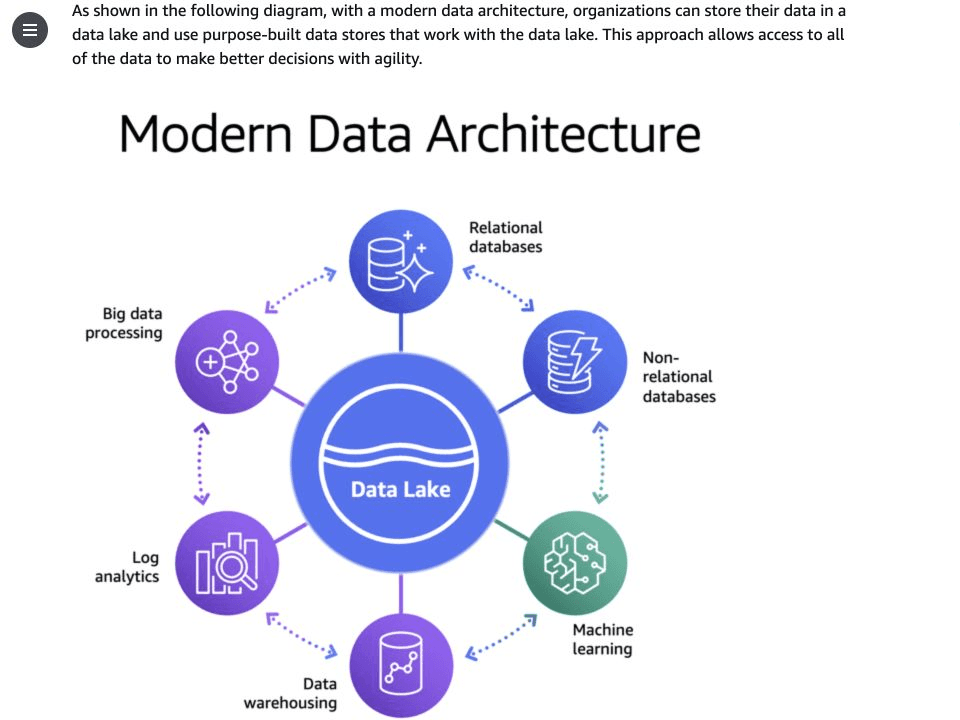
Many production systems use both. PostgreSQL for core transactional data — users, orders, payments. A NoSQL store for sessions, caching, or analytics events. Redis for real-time features. The question isn't always "which one" — sometimes it's "which one for which part of the system."
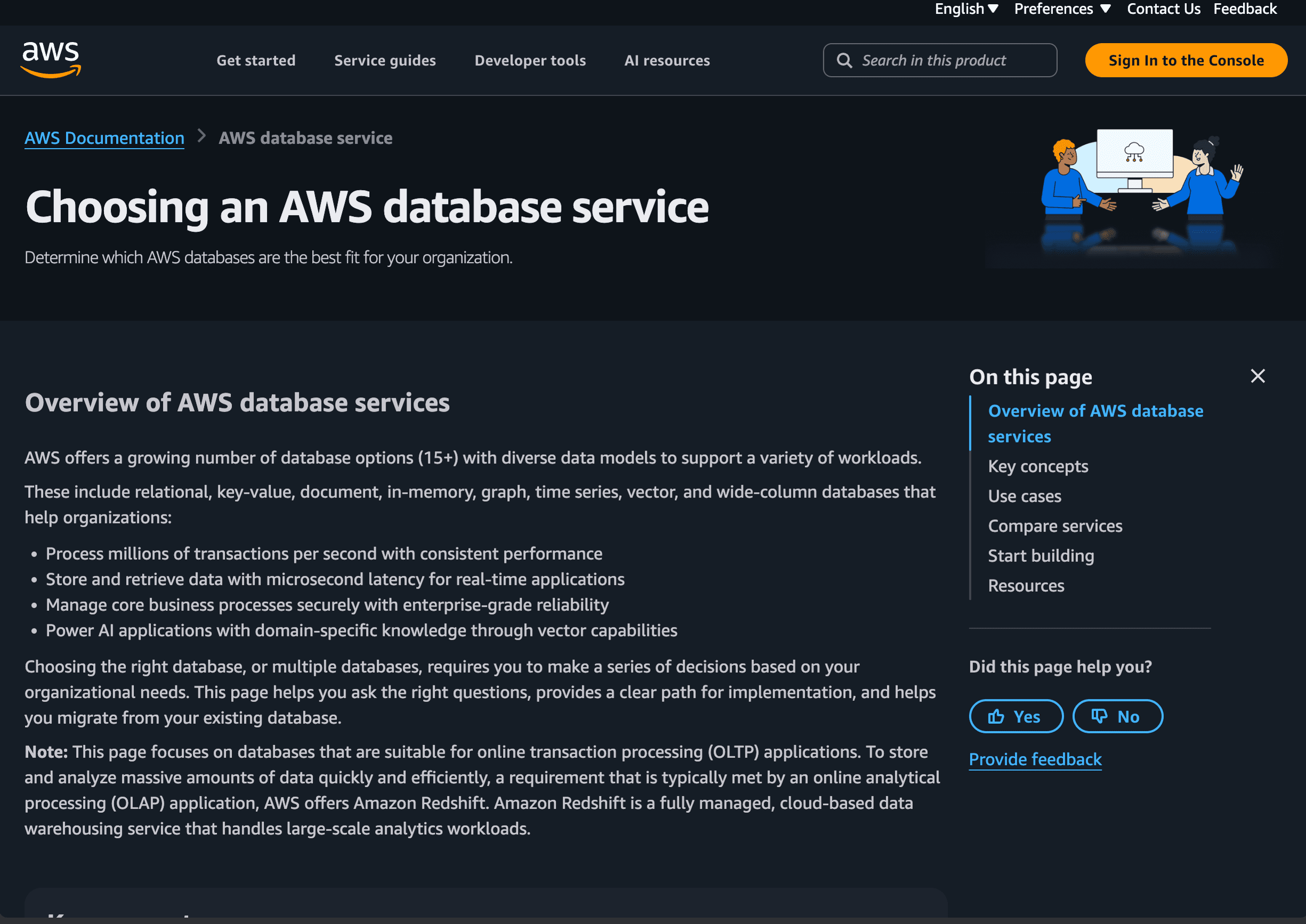
The best database is the one that matches your data model and access patterns. If your data is relational, use a relational database. If it genuinely isn't, don't force it into one. And if you're unsure, PostgreSQL is almost never the wrong starting point.